repaircost per wear
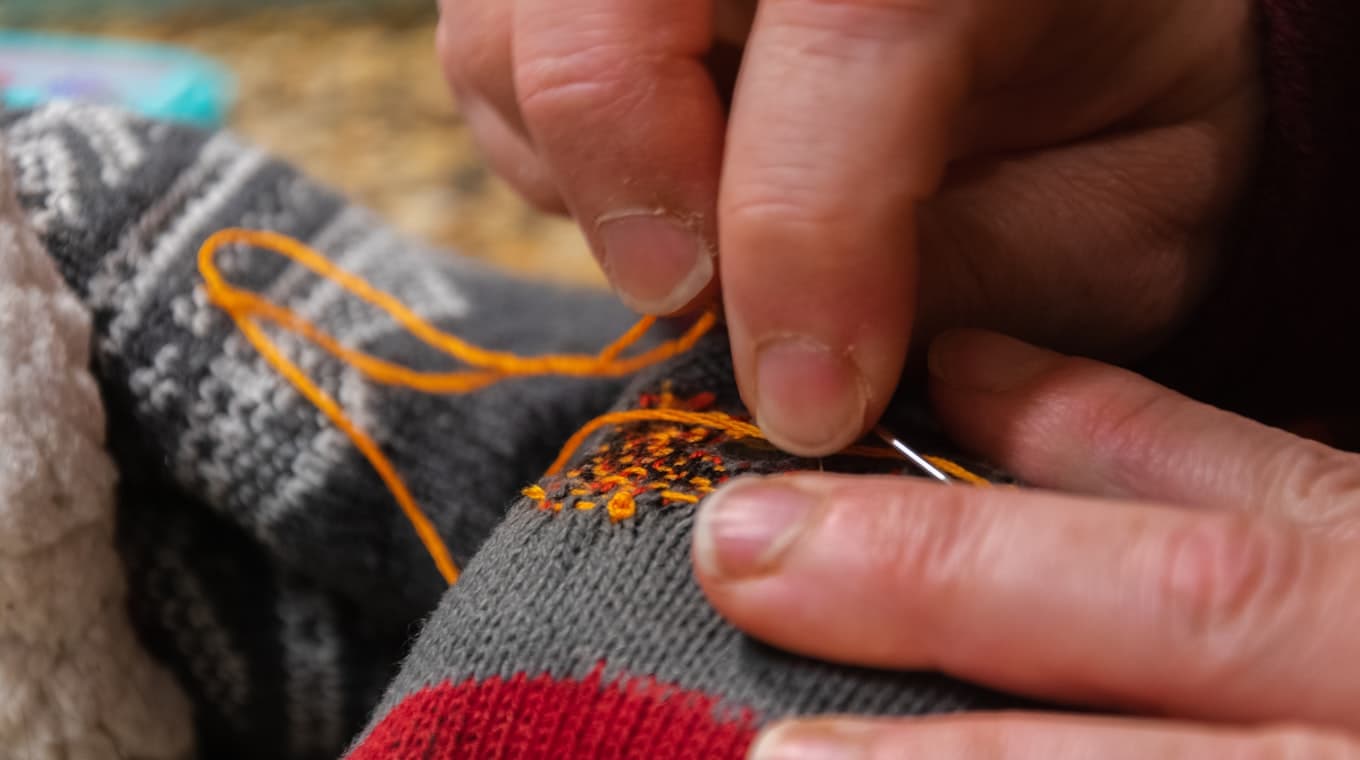
When a repair is worth more than a replacement
A repair does not compete with the price of a new garment — it competes with its cost per wear. The test takes thirty seconds and usually favours repair by a factor of four.
Brand spotlights, impact explainers, and practical guides for building a more informed wardrobe.
A repair does not compete with the price of a new garment — it competes with its cost per wear. The test takes thirty seconds and usually favours repair by a factor of four.
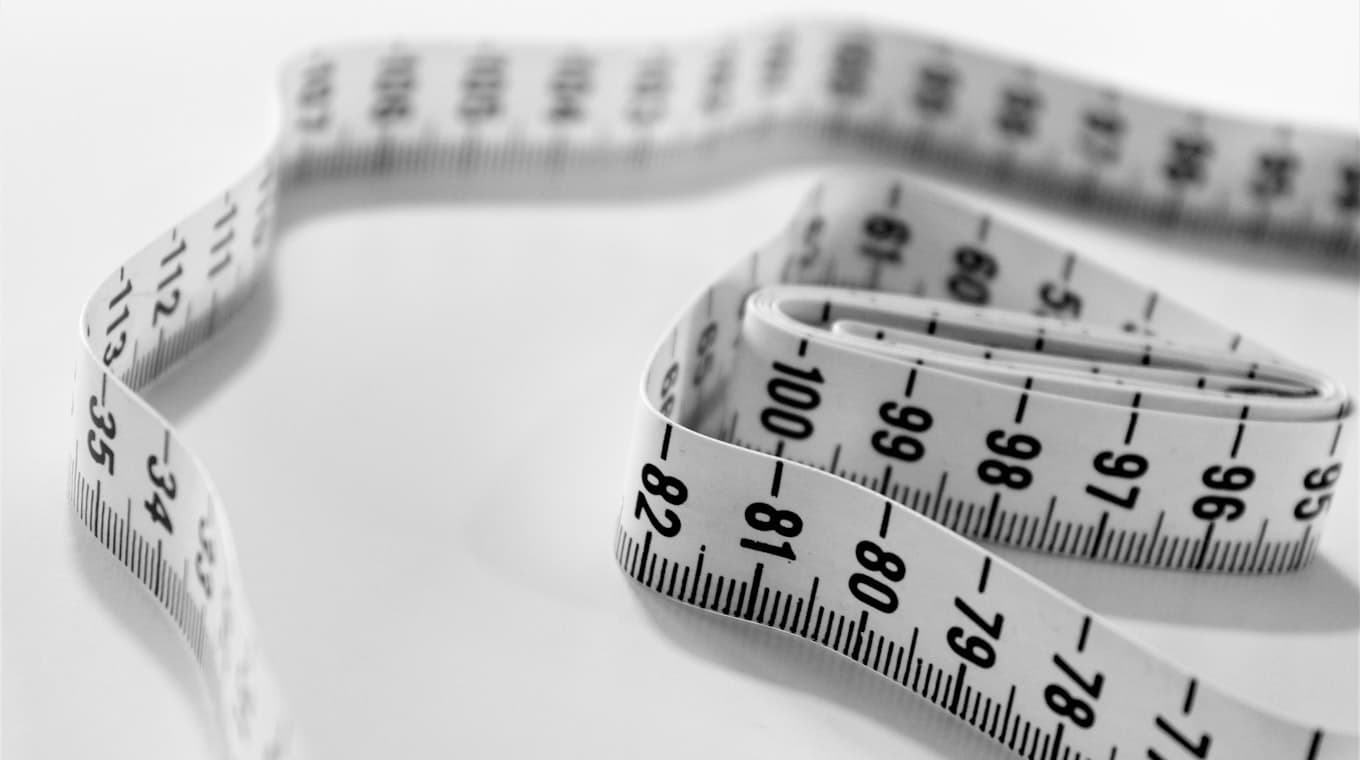
There is no mandatory clothing size standard. Fit models, grading and size inflation explain the rest — and four measurements on your phone solve most of it.
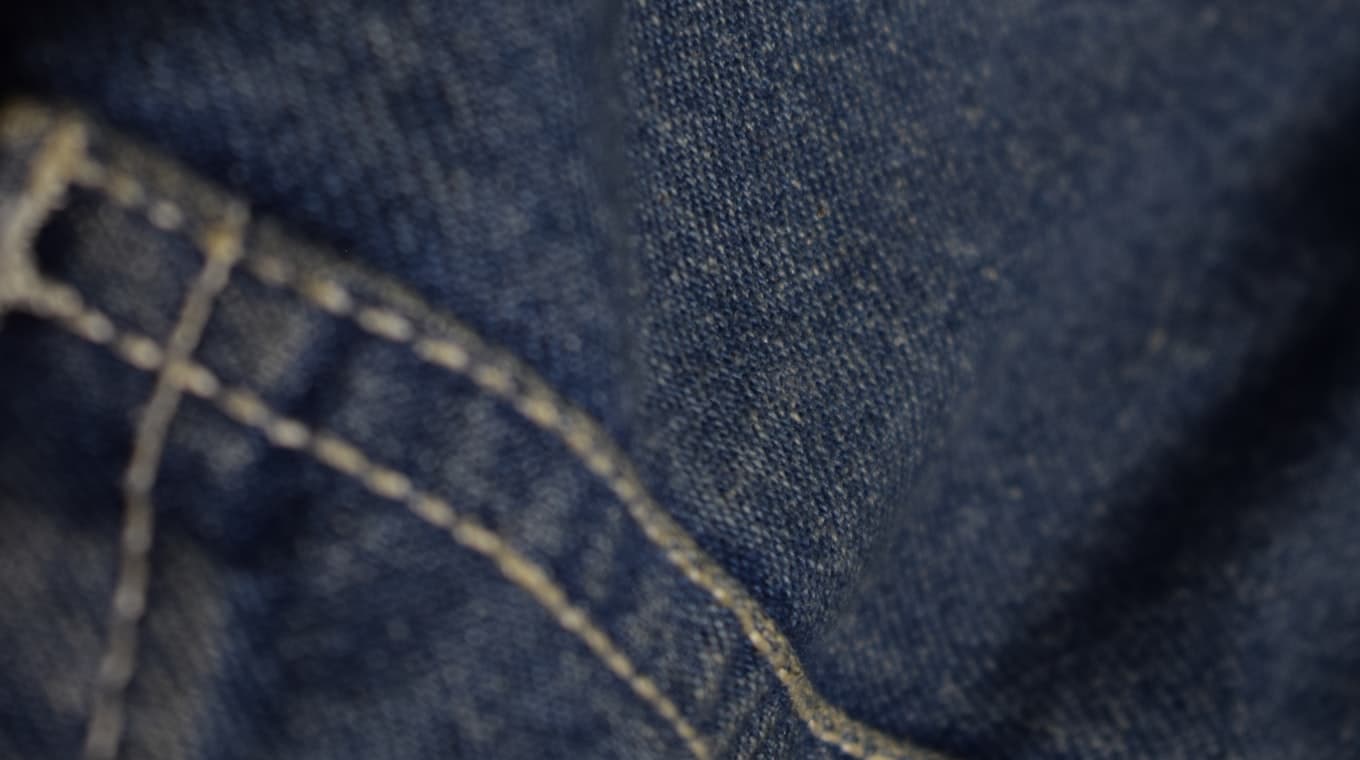
The one number on a jeans product page that genuinely predicts durability — plus why selvedge is not a quality claim and what elastane costs you in lifespan.
Pilling needs fibre ends, abrasion and an anchor. Understanding the third one explains why a wool-nylon blend often looks worse after two years than pure lambswool.
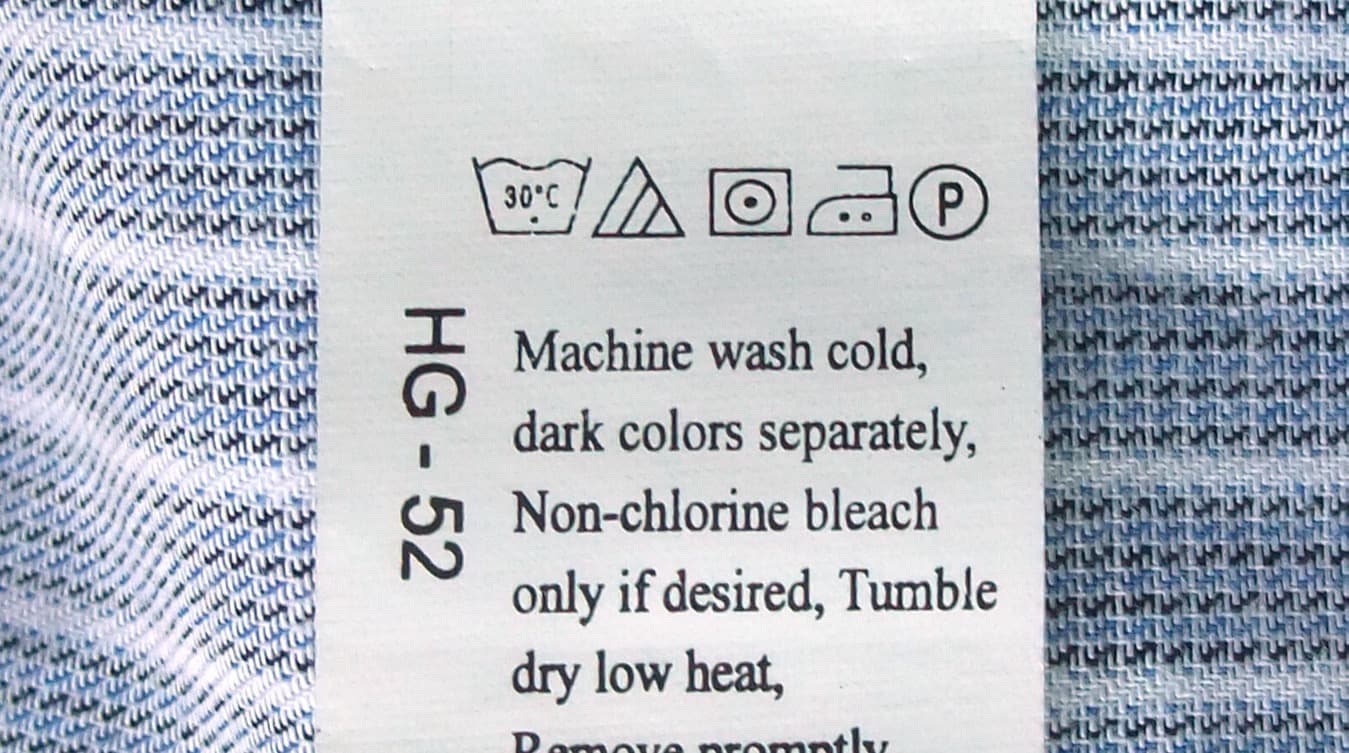
The five care symbols decoded, plus the labelling rule most people have backwards: in the EU the fibre composition is mandatory and the washing instructions are not.
What a category-level production estimate represents, which assumptions sit behind it, and why it is not a certified assessment of a specific T-shirt.
An illustrative comparison shows what category-level estimates and separate brand ratings can reveal — and what they cannot establish about a specific shoe.
The EU has created a framework for Digital Product Passports, while textile-specific scope, data fields, and compliance dates are still being developed.
A €120 jacket worn 300 times costs €0.40 per wear. A €30 jacket worn 15 times costs €2. The maths is simple — the implications aren't.
A dated editorial review of Nudie Jeans' published transparency and repair information, with clear limits on what category-level estimates can say about a product.